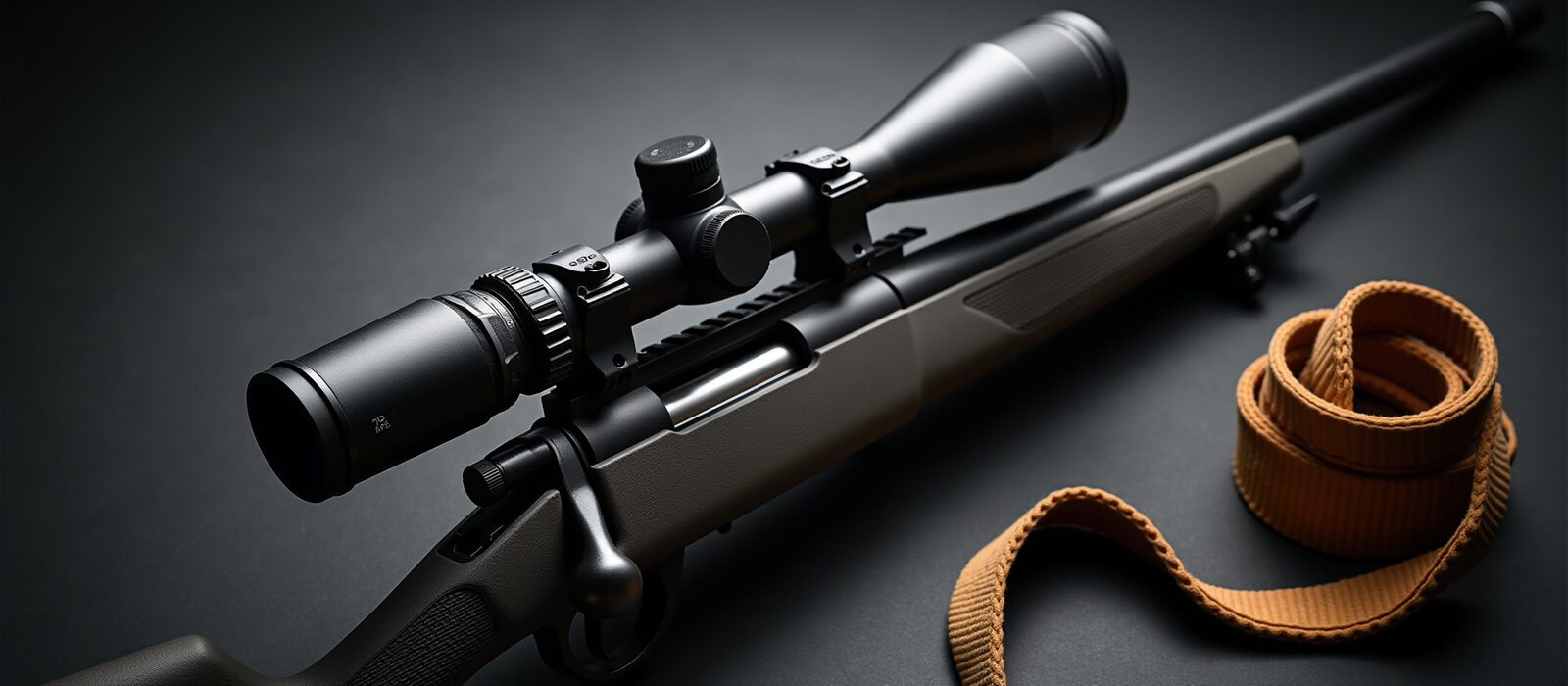
Do You Really Need 15mK? The Truth About Thermal Sensitivity and Bad Weather
![[HERO] Do You Really Need 15mK? The Truth About Thermal Sensitivity and Bad Weather](https://cdn.marblism.com/OoztptWBY9v.webp)
LEGAL DISCLAIMER: The information provided in this blog post is for general and high-level explanations only regarding thermal imaging technology and sports equipment. This content does not constitute professional technical advice, legal advice, or safety certifications for firearm use or hunting regulations. Readers should not rely on this content as a substitute for professional counsel or official product manuals. You are encouraged to seek professional legal counsel and technical guidance regarding the specific laws and safety requirements in your jurisdiction. AnyTime Optics and its affiliates are not responsible for actions taken based on the information provided herein. Usage of thermal scopes and hunting optics may be subject to specific state or federal regulations which can change frequently and much, much more.
Having said that, if you are a passionate hunter or a tactical enthusiast, you have likely spent hours scrolling through spec sheets. You have seen the acronyms: NETD, mK, Refresh Rate, and Resolution. Among these, the "mK" rating (milliKelvin) has become a major talking point in the world of high-end thermal scope technology. Specifically, the jump to 15mK has sparked a lot of debate.
Generally speaking, you might wonder if these numbers actually translate to more successful outings or if they are just marketing buzzwords. When you are standing in a damp field at 3:00 AM, the difference between a clear image and a gray blur can be everything. In this guide, we are going to break down the truth about thermal sensitivity (mK), how it handles the "real world" of bad weather, and why high-quality hunting optics matter for your specific needs and circumstances.
Understanding Thermal Sensitivity (NETD)
To understand 15mK, you first need to understand Noise Equivalent Temperature Difference (NETD). Generally speaking, NETD is the measurement of how well a thermal sensor can distinguish between very small differences in thermal radiation. This is expressed in milliKelvin (mK).
When you look through a rifle optic that uses thermal technology, the sensor is essentially "reading" heat. A lower mK number means the sensor is more sensitive. For example, a sensor rated at <50mK is standard, <35mK is considered high-quality, and <15mK is currently the gold standard for civilian and professional gear.
The lower the number, the smaller the temperature difference the device can detect. If you are looking at a coyote standing against a rock, and both are nearly the same temperature, a 15mK sensor may show you the texture of the coyote’s fur and the cracks in the rock. A higher mK sensor may just show you one large, indistinct heat signature (often referred to as a "blob").

Why 15mK Matters in the Field
You may ask yourself if you really need that level of precision. Having said that, the answer often depends on your environment. In perfect conditions: a clear, dry night with a 20-degree difference between the air and your target: almost any thermal scope will perform well.
However, nature rarely provides perfect conditions. This is where 15mK sensitivity becomes a game-changer. When the temperature difference between your target and the background is minimal (thermal crossover), a highly sensitive sensor allows you to maintain target identification (ID).
Low mK ratings provide:
- Enhanced Detail: You can see environmental details like grass, branches, and terrain features rather than just a black background.
- Better Identification: Distinguishing between a hog and a large dog becomes much easier when you can see anatomical structures.
- Confidence in Placement: For ethical hunting, knowing exactly where the shoulder of the animal is located is vital, and much, much more.
The Reality of Thermal Scopes in Bad Weather
Generally speaking, bad weather is the enemy of thermal imaging. Rain, fog, and high humidity consist of water droplets in the air. These droplets act as a "curtain" that scatters and absorbs infrared radiation. This phenomenon is often called "thermal washout."
When the air is thick with moisture, the temperature of everything: the trees, the ground, and the rocks: tends to equalize. In these conditions, a standard thermal scope may lose almost all of its detail. You might see your target, but you won’t see the fence it is standing behind or the branch in your line of sight.

This is specifically where 15mK sensors earn their keep. Because they are so much more sensitive to tiny fluctuations in heat, they can "cut through" the moisture better than less sensitive units. While a 50mK sensor might see a wall of gray, a 15mK sensor can often still pick up the subtle heat differences of the landscape, providing you with a usable image even when the weather is working against you.
Comparing 15mK to Industry Standards
To put things in perspective, let’s look at the common tiers you will find when shopping at AnyTime Optics:
- 50mK and Higher: Often found in entry-level or budget-friendly units. These are great for spotting large targets in clear weather but may struggle in high humidity or rain.
- 35mK to 25mK: This is the current "sweet spot" for many hunters. It offers a significant upgrade in clarity and performs reliably in most moderate weather conditions.
- 15mK: This is the elite tier. It is designed for the enthusiast who doesn't stay home just because the forecast looks "soupy." It provides the highest level of image fidelity available today for rifle optics.
Having said that, it is important to remember that the sensor is only one part of the equation. The quality of the Germanium lens and the image processing software also play massive roles in what you actually see through the eyepiece.

Investing in Quality Hunting Optics
Why should you care about these technical specs? Generally speaking, high-quality hunting optics are an investment in your safety and your success. When you are using a device like the ThermNight or a dedicated thermal unit, you are looking for more than just a cool gadget. You are looking for a tool that extends your capabilities.
High sensitivity (low mK) allows for better "situational awareness." This means you aren't just looking at your target; you are seeing the entire environment. You can see if there is a calf standing behind a hog or if there is a rock that might cause a ricochet. These are the details that matter for responsible and effective field use.
Is 15mK Right for You?
Choosing the right gear often involves balancing your budget with your performance needs. If you primarily hunt in dry, arid climates where the temperature swings are dramatic, you may find that a 35mK sensor is more than enough for your needs.
However, if you live in the Southeast, the Pacific Northwest, or any area prone to heavy fog and humidity, the jump to 15mK is likely worth every penny. It may be the difference between a successful night and a frustrated trip home. Generally speaking, once you have experienced the clarity of a sub-20mK sensor, it is very difficult to go back to "standard" resolution.

Summary of Considerations
When you are evaluating your next purchase in our all products category, keep these points in mind:
- Environmental Factors: Do you often hunt in rain or high humidity?
- Target Identification: Do you need to distinguish between similar-looking species at long distances?
- Budget vs. Performance: Are you willing to pay a premium for the "insurance" of a better image in bad weather?
- System Integration: Does the scope offer other features like a Laser Rangefinder (LRF) to complement the high-end sensor?
Ultimately, the responsibility for choosing the right equipment for your specific circumstances rests with you. Having said that, we believe that understanding the science behind the specs: like 15mK: is the first step toward making an informed decision that will serve you well for years to come.
Whether you are looking for a thermal scope, high-definition night vision, or simple red dot sights, always prioritize clarity, durability, and the specific needs of your hunting environment.
For more information on our specific projects and how these optics perform in the real world, feel free to browse our portfolio and much, much more.